Sending money to Mexico?
Compare and save in seconds.
See in seconds how much arrives in Mexico
Calculate your transfer
Get daily alerts: remittance promos and the rate of the day
Mexico and remittances from the United States in 2026
Mexico is the largest remittance corridor in the world: $66 billion a year from the United States. Behind every dollar are 37 million Mexicans and Mexican-Americans supporting families across all 32 states. When volumes are this large, even a 0.5% rate difference adds up to hundreds of dollars a year. Data from Banxico 2024 and the World Bank 2024.
From California to Jalisco.
From Texas to Michoacán.
The world's largest corridor — the math of the 0.5%.
There are 37 million Mexicans and Mexican-Americans in the United States: 1 in every 9 residents of the country. Each year they send $66 billion home — more than any other remittance corridor on the planet. Those pesos sustain homes in Jalisco, milpas in Oaxaca, schools in Puebla, businesses in Monterrey, and medical care all over the country.
With volume like that, the details matter. The best operator might deliver 17.10 pesos per dollar while the worst delivers 16.85. That's 25 cents of difference per dollar — $50 pesos on a $200 transfer. Applied to the typical 12 transfers a year, that's $600 pesos a year ($35 USD) staying with your family instead of paying margin to the operator.
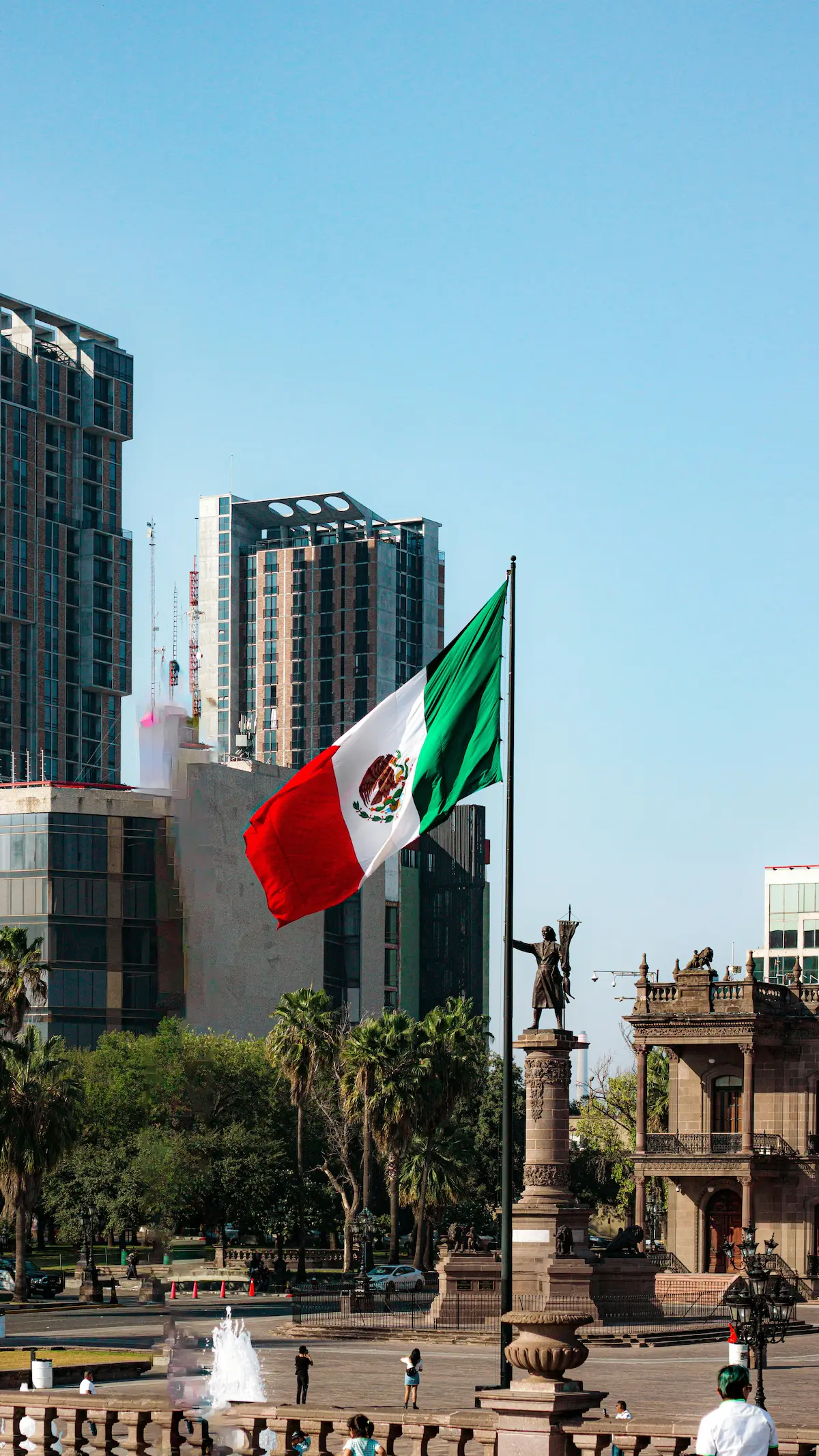
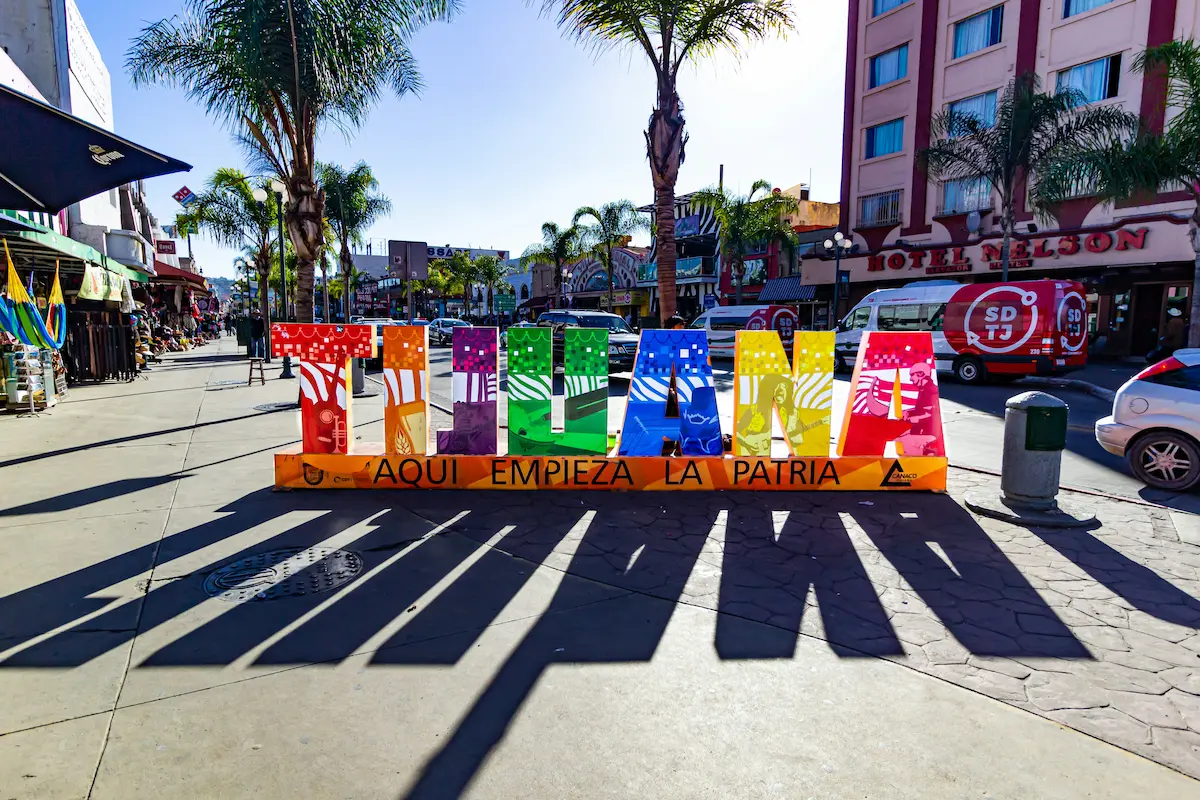
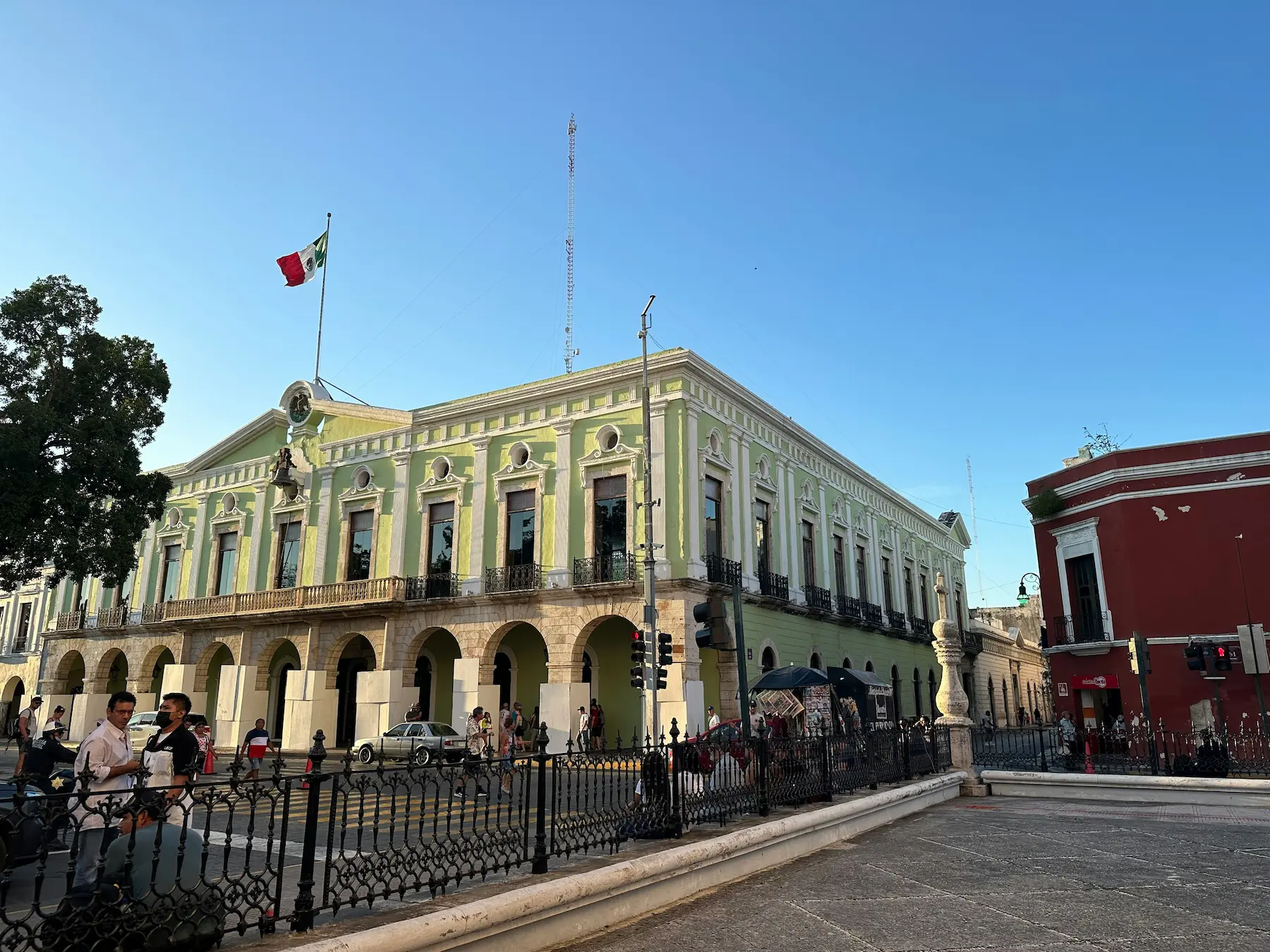
Sending money to cities in Mexico: 6 main areas
6 representative destinations. But Mexico is huge — the major providers (Remitly, Xoom, WorldRemit, WU, MG) cover all 32 states with accounts at BBVA México, Santander, Banamex, HSBC, and Banorte. For rural areas, Western Union, MoneyGram, and Elektra have the densest agency network for cash pickup.



Mistakes when sending money to Mexico that cost up to $100
Each of these mistakes has cost a Mexican between $10 and $100. Learn them before your next transfer.
Sticking with the first provider out of habit
The best provider changes week to week depending on the Mexican peso (which moves a lot) and on promotions. If you've been using the same one for years, you're probably leaving $5–$10 per transfer on the table. Comparing every time is rule #1.
Confusing "$0 fee" with a free transfer
"$0 fee" doesn't mean a free transfer. The provider makes up for it with a worse exchange rate — you end up receiving fewer Mexican pesos. Look at the final pesos received, not the fee alone.
Paying Express when there's no rush
"Express" in 5 minutes costs $5–$8 extra vs "Economy" in 1 day. If your family doesn't need the money TODAY, Express is wasted money. Save it for real emergencies.
Not copying the full name
If the name doesn't match character by character with the Mexican INE/IFE, the transfer is held and can take days. Copy it exactly — accents, both surnames, everything. Name errors are the #1 cause of held transfers.
Paying with a credit card
Providers charge an extra 2–4% when you pay with credit because card processors charge them high fees. On a $200 transfer, that's up to $8 lost. Use debit or ACH.
Ignoring the 18-digit CLABE
For a bank deposit in Mexico you need the interbank CLABE (18 digits), not just the account number. If your family gives you only the 11-digit account, the transfer bounces or arrives more slowly. Always ask for the full CLABE.
Frequently asked questions from Mexicans in the US
How many Mexican pesos do I get for $200 USD?
At the current Bank of Mexico (Banxico) rate, $200 equals the theoretical pesos shown above multiplied by 200. But each provider applies a margin: the best operator delivers roughly 1–2% less, and the worst up to 3–4% less. Real difference: up to 50 pesos ($2.95 USD) on a single $200 transfer.
Which Mexican banks receive remittances?
The main ones are BBVA México (the largest), Santander, Citibanamex, Banorte, and HSBC. All major providers deposit to these via CLABE. For cash pickup, Elektra is Western Union's classic partner (with thousands of stores across the country); it also works at Telecomm-Telégrafos branches in rural areas.
What is the CLABE and why do I need it?
The CLABE (Standardized Banking Code) is a unique 18-digit number for every Mexican bank account. It's what providers need to deposit — not the short account number. Your family can find it on their bank statement or app. Without the correct CLABE, the transfer bounces.
Is there a tax on remittances in Mexico?
No at the federal level. Mexico doesn't tax remittances received under personal income tax (ISR). But heads up: in 2025, the US Congress discussed a possible 1–5% tax on the sender side (not the recipient). Check whether your provider is already applying it — some break it out clearly, others don't. The comparison tool above shows the net amount.
How long does a transfer take to arrive?
Depends on the method and provider:
- Express (Remitly, Xoom, WorldRemit): 5–30 minutes
- Economy (Wise): 1–2 business days
- Cash (Western Union via Elektra, MoneyGram, Ria): minutes after receiving the code
- BBVA / Santander / Banorte deposit: 2–24 hours
- SPEI (Mexican interbank transfer): seconds to minutes
How much arrives in Mexico if I send $100 USD?
At the current Banxico rate, $100 equals the theoretical pesos shown above multiplied by 100. Providers deliver between 1% and 4% less depending on the operator and method. Difference: up to 25 pesos ($1.50 USD) per transfer — small in absolute terms, but accumulated across 12 transfers a year that's $20+. Use the comparison tool to see who delivers more today.
Which is the best provider to send to Mexico?
There's no single "best" — it depends on the amount, urgency, and method. Remitly tends to win for amounts under $500 with cash pickup at Elektra. Wise is typically better for bank deposits via CLABE thanks to a rate close to Banxico. Xoom (from PayPal) has a strong presence and recurring promotions. Western Union dominates cash pickup with its agency density. Use the comparison tool above to see who delivers more pesos today.
Ready to send money to Mexico.
Compare providers and save $5–$15.
With what you've learned in this guide, your next transfer to Mexico can save you $5–$15 vs using the first provider that pops up on Google. Multiplied by the typical 12+ transfers a year, that's $100+ staying with your family.
- ✓Ask for the 18-digit CLABE, not the short account
- ✓Look at Mexican pesos received, not just the fee
- ✓Send Monday/Tuesday · avoid Friday/weekends
- ✓Debit or ACH > credit card
- ✓Confirm the name exactly as on the INE/IFE
- ✓Compare every transfer — the best changes week to week
Get daily alerts: remittance promos and the rate of the day
Learn more about sending to 🇲🇽
In-depth guides on banks, methods and how money arrives.
Sources: Banco de México (Banxico), Instituto Nacional de Estadística y Geografía (INEGI), US Census Bureau 2020, Banco Mundial 2024. Macroeconomic data updated annually. MXN/USD rate updated daily. Last content update: April 25, 2026.